
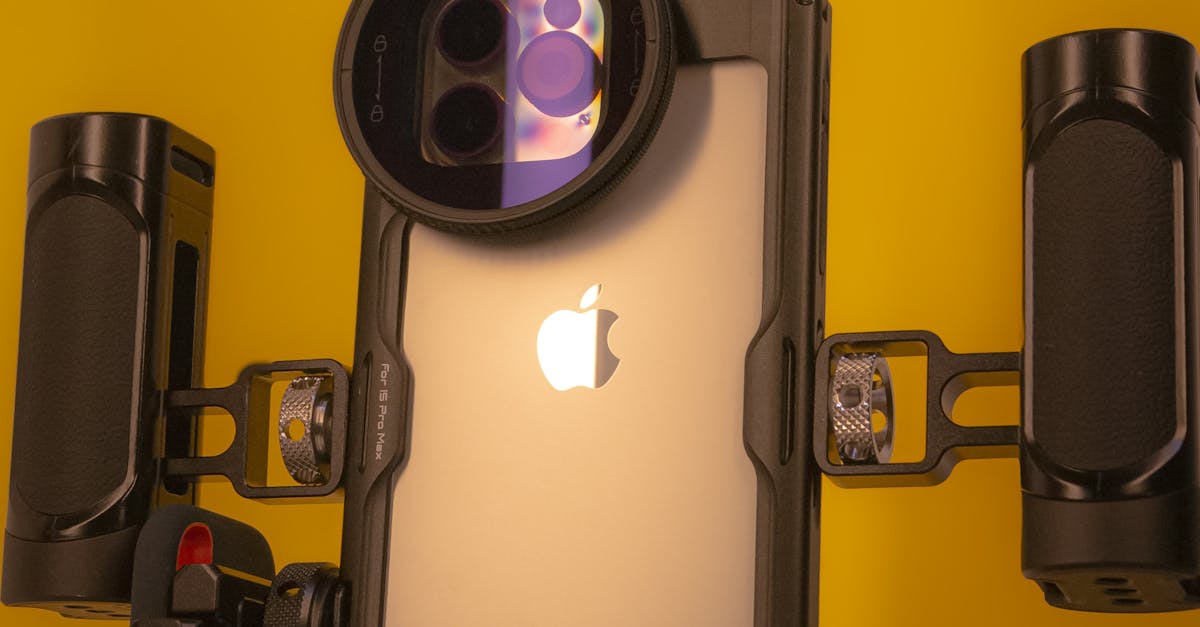
As we step into 2025, the landscape of cinematography continues to evolve at an astonishing pace. Filmmakers today are not just capturing stories; they’re creating experiences that resonate on multiple levels, thanks in no small part to the technological advancements in cinema cameras. With an ever-growing array of options available, selecting the best cinema camera in 2025 can feel overwhelming. In this article, we delve into the cutting-edge features, innovative designs, and unparalleled performance of the top cinema cameras available this year. Whether you're a professional filmmaker or an enthusiastic hobbyist, our guide will help you make an informed choice that suits your creative vision.
Before exploring the best cinema cameras of 2025, it's essential to understand how we arrived here. The cinema camera market has grown exponentially over the past decade, with significant innovations reshaping what's possible in filmmaking.
In the early days, filmmakers relied heavily on traditional film. However, the advent of digital cinema cameras revolutionized the industry by providing superior image quality, greater flexibility, and more extended recording times. Cameras like the RED Epic and ARRI Alexa set a new standard for digital filmmaking. In the past few years, we've witnessed a shift towards cameras that combine high-resolution sensors with advanced color science, compact form factors, and robust connectivity options.
In 2025, we see a landscape enriched by user-centric digital innovation, catering not only to seasoned professionals but also to up-and-coming creators. Let’s dive into some of the best cinema cameras that epitomize these trends.
When evaluating cinema cameras for your projects, it's vital to consider several key features that define performance and usability.
The foundation of any great cinema camera lies in its sensor technology. In 2025, we are seeing advancements like full-frame sensors and high dynamic range (HDR) imaging. For instance, cameras equipped with dual native ISO capabilities, such as the Canon EOS C300 Mark III, perform exceptionally well in low-light conditions while maintaining vibrant color reproduction. A superior sensor allows filmmakers to capture stunning visuals in a variety of settings, whether shooting in bright daylight or dimly lit environments.
With the increasing demand for high-resolution content, 4K and 8K recording have become standard in cinema cameras. Filmmakers can now capture immersive footage that renders beautifully on large screens and displays. The Blackmagic URSA Mini Pro 12K, for example, allows users to film in 12K resolution and offers various recording formats, including ProRes and RAW. This flexibility grants filmmakers the creative freedom to choose the best format for their projects.
The design and ergonomics of a cinema camera are crucial for extended shoots. The physicality of a camera can significantly impact a filmmaker’s workflow. Look for cameras that offer customizable rigging options, comfortable grip, and intuitive interfaces. The Sony FX6, with its lightweight body and robust design, ensures that filmmakers can operate it with efficiency during long filming days without experiencing fatigue.
In an era where collaboration is essential, connectivity features in cinema cameras are critical. HDMI and SDI outputs, built-in wireless capabilities, and real-time monitoring options streamline the editing process and enhance team coordination. Cameras like the Panasonic Lumix S1H, which blends professional capabilities with advanced connectivity options, allow for a streamlined workflow that can save time and enhance creative collaboration.
Versatility is paramount in filmmaking. Cinema cameras offering a range of lens compatibility can significantly enhance shooting flexibility. The Canon EOS C500 Mark II, for example, is compatible with both EF and RF lenses, enabling users to achieve a variety of looks and styles without being confined to a specific lens system.
The Canon EOS C300 Mark III continues to dominate the cinema camera market in 2025. Renowned for its exceptional dynamic range and dual gain output, this camera is ideal for various shooting environments. With its Super 35mm sensor and up to 120 frames per second in 4K, filmmakers can achieve stunning visuals whether shooting commercials or feature films.
For example, a filmmaker utilizing the C300 Mark III for a commercial shoot reported a noticeable difference in the ease of color grading during the post-production stage, attributing it to the film-like image quality and versatility of the camera.
With its compact design and powerful 6K capabilities, the RED Komodo continues to gain popularity among independent filmmakers. Its built-in global shutter enables seamless capture of fast-moving subjects without the rolling shutter artifacts seen in other cameras. The RED Komodo is particularly well-suited for narrative short films and documentary projects where mobility is key.
A notable case study involves a short film made by an indie director on a tight budget who leveraged the RED Komodo’s portability to shoot in several dynamic locations, delivering professional-grade visuals that helped secure festival accolades.
The Sony FX6 has carved a niche for itself as a favorite among solo filmmakers and small crews due to its impressive balance of performance and portability. Its full-frame sensor captures high-quality images, while features like fast autofocus and 4K recording at up to 120p make it ideal for dynamic shooting scenarios.
In one instance, a traveling documentary crew utilized the FX6's lightweight frame during an outdoor shoot in a remote mountain range. The camera’s efficient battery life and quick setup allowed them to capture stunning footage without compromising on quality or overwhelming their pack.
Aimed at both photographers and filmmakers, the Panasonic Lumix S1H features impressive video capabilities, including 6K recording and V-Log color grading. Its adaptability makes it an excellent choice for creators who seamlessly transition between cinematic video and high-resolution photography.
One prominent filmmaker used the Lumix S1H to shoot various sequences for a travel series, appreciating its dual-functionality. The quick switch between photo and video modes enabled him to document captivating stills and impressive footage all with one camera, removing the need for multiple devices.
Breaking boundaries in image resolution, the Blackmagic URSA Mini Pro 12K is an extraordinary tool for filmmakers seeking unparalleled detail. The ability to shoot in 12K allows for extensive cropping without losing quality, facilitating more creativity during the editing process.
A documentary filmmaker leveraging the URSA Mini Pro for an in-depth environmental piece expressed how the ultra-high resolution was crucial in capturing the subtleties of nature, providing stunning images that engaged viewers on a deeper level.
Selecting the best cinema camera in 2025 involves understanding the specific requirements of your project and how different features align with your vision. It’s essential to consider factors such as:
• Budget: While several top-tier cameras hit the market, budget-friendly options equally provide exceptional capabilities.
• Type of Work: Different projects require different features. A camera suited for narrative filmmaking might not be ideal for documentary work and vice versa.
• Team Size: A lightweight camera may be more beneficial for smaller teams compared to larger setups that can handle heavier gear.
Understanding these elements will help streamline your decision-making process, allowing you to choose a camera that not only fits your needs but also enhances your creative expression.
In 2025, the landscape of cinema cameras is more diverse and exciting than ever. Whether you are a seasoned cinematographer or someone just starting in the filmmaking world, the advancements in technology allow for an unparalleled creative experience. Cameras like the Canon EOS C300 Mark III, RED Komodo 6K, Sony FX6, Panasonic Lumix S1H, and Blackmagic URSA Mini Pro 12K cater to a variety of filmmaking styles and budgets.
The key lies in understanding your project’s requirements and choosing the right equipment that fits your unique creative vision. As you venture into your next project this year, take the time to explore these exceptional options – your storytelling deserves the best tools available.
Cinema cameras are specifically designed for the production of high-quality video content. Features such as high-resolution sensors, variable frame rates, professional audio inputs, and advanced color processing make them distinct from regular still photography cameras.
While 8K resolution offers incredible detail, it might not be necessary for every project. Assessing your audience and distribution platforms can guide whether 4K or 8K is the right choice. However, 8K does provide extensive post-production flexibility.
Many cinema cameras are compatible with DSLR lenses, often requiring a mount adapter. However, using dedicated cinema lenses is generally recommended for the best optical performance and focus transition.
Prices can vary significantly, with entry-level cinema cameras available from around $3,000 to high-end models costing tens of thousands. Determine your budget and explore the models that fit your needs accordingly.
Color science greatly influences the final look of your footage. Cameras with advanced color profiles and grading capabilities provide greater flexibility in post-production, making color science a crucial consideration for filmmakers.